
Choose Your Content Path
Not only does this site have the most robust written content in the photography and conservation space, we have it organized best for you. You can either choose the best written content for you by category or choose the geographical location that best suits your specific needs.
Choose a Content Category
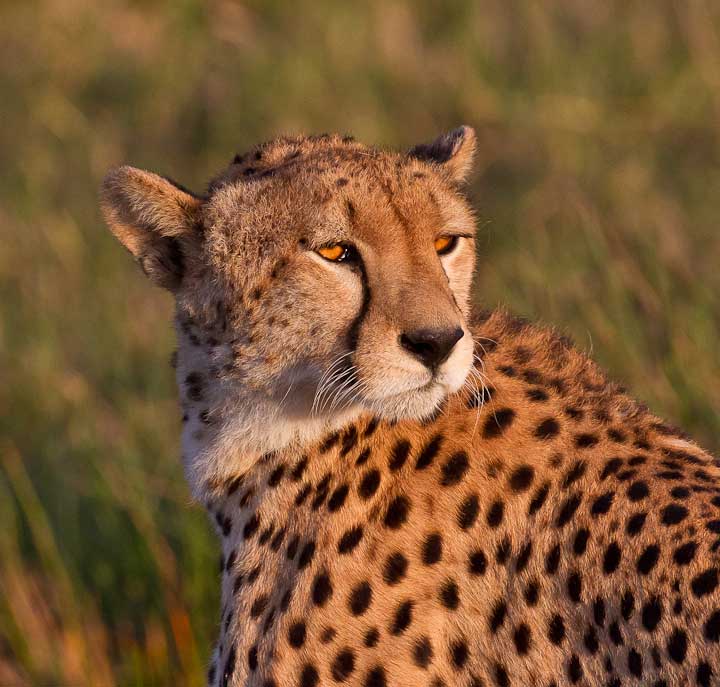
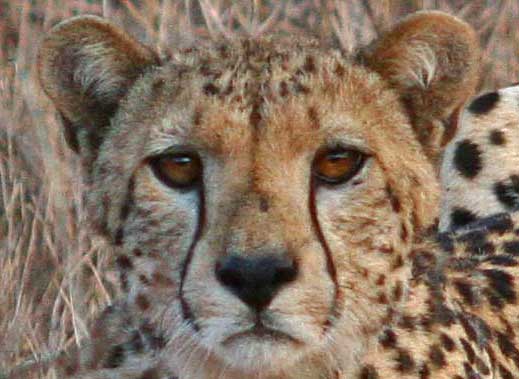
Cheetah of the Southern Serengeti
Cheetahs tend to be daytime hunters, and with their beautiful markings and haircoats make good photographic subjects. In February of every year they take advantage of the easy pickings of very young Thompson and Grant's gazelle, along with wildebeest calves...
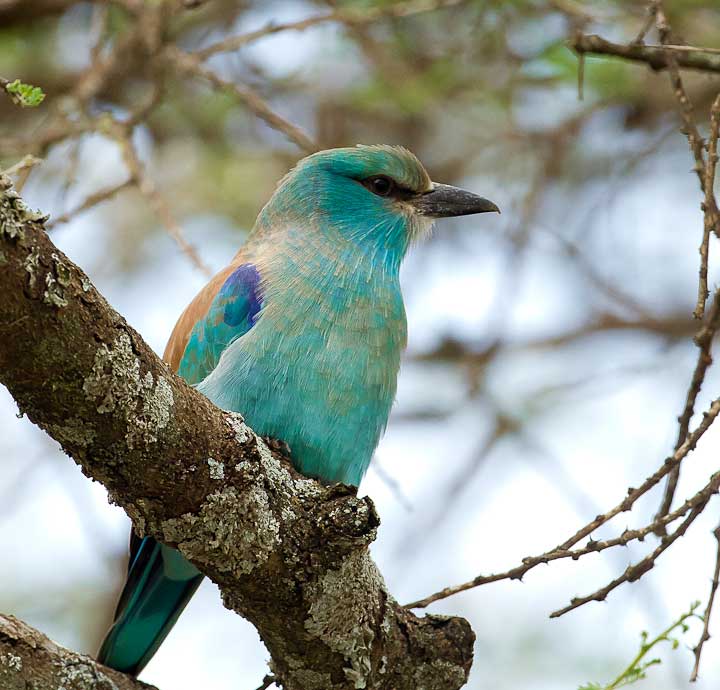
Birds of the Southern Serengeti
East Africa is a mecca for birders. In addition to the normal residents there were a significant number of migrators in February. This page has a few of the more interesting and colorful birds. European roller Juvenile Bateleur eagle Augur...

Rwanda Gorillas 2011
The mountain gorillas in Rwanda are a success story. Their numbers are increasing (of the 720 in the world as of this date, 480 are in Rwanda), poaching has diminished, and the local people are reaping the benefits of tourism....
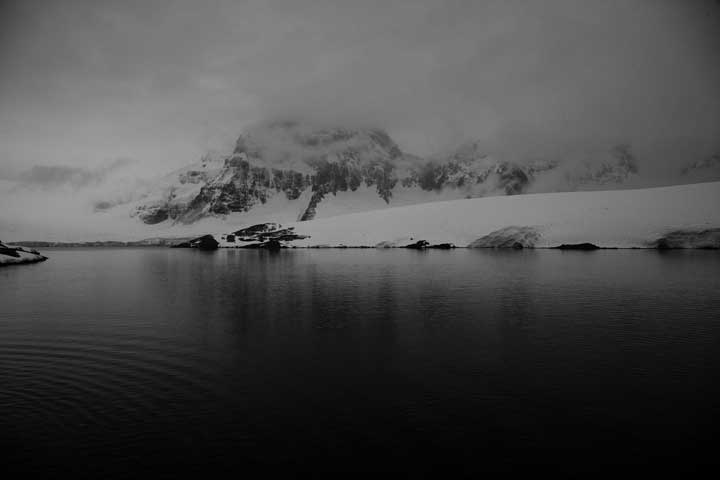
Antarctica Scenery
Our first stop was Deception Island. The red flag denotes a walking path. As the anchor was dropped we could see a house and fuel containers for a whaling station and a British research station. They were here until 1968...
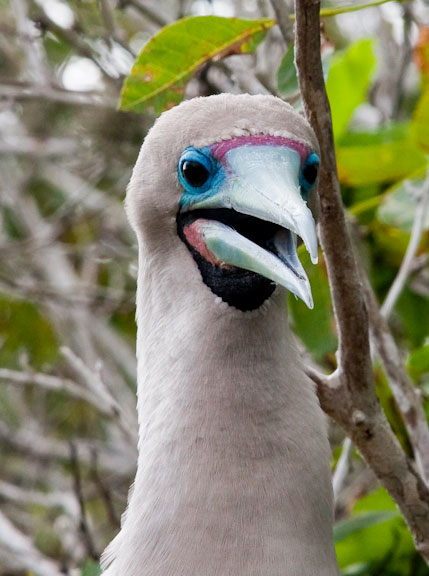

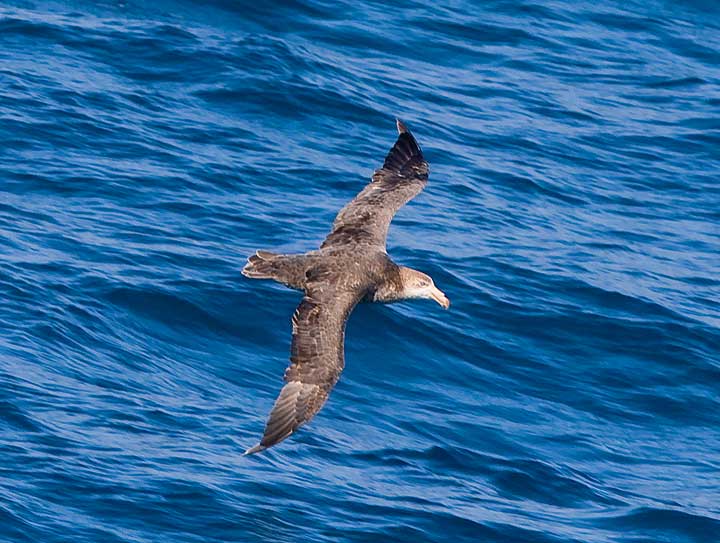
Birds of Antarctica
Albatross Blue-eyed shag Snowy Sheath Bill Skua Antarctic Tern Wandering Albatross Blue-eyed shag Snowy sheathbill Snowy sheathbills, the only non-seabird in the Antarctic. Sheathbills patiently wait for the perfect moment to make a feeding chick regurgitate its meal of krill....
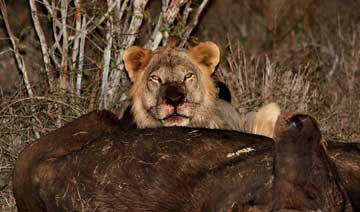
Conservation Trips
Join Dr. P as he shares some his worldwide conservation trips. Lions of Tsavo National Park Masai Mara October 2007 Bears of Katmai National Park The Endangered Black Rhino of Zimbabwe The Endangered Orangutan of Borneo
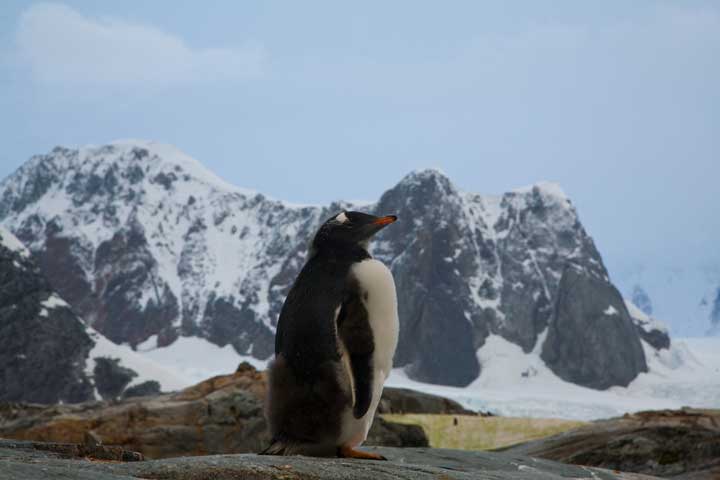
Penguin Heaven
The rules state we must stay at least 5 meters away from them. Many of the young are going through what is termed a "catastrophic molt", which is a stressful time for them and we do not need to add more...