
If you like the natural world, and the wildlife that depend on it, then you need come to grips with a harsh reality. The burgeoning human population that is encroaching on areas that wildlife need to survive, coupled with the endemic corruption found in many countries, along with the demand for wildlife parts and food and wars that are destroying the land, lead to a dire situation for many of these animals.
Many of the more iconic of them might go extinct in the near future. Some of them, like the orangutan, cheetah, and the rhinoceros (the last male northern white rhino just died), might go extinct on our watch. The black rhino has been particularly hard hit since my first trip to Tanzania in 1986, where I saw my first one in the Ngorongoro crater.
In 1995 I worked on a research project at Hwange National Park in Zimbabwe helping with a census of the remaining black rhino’s. At that time, the demand for the horn of the rhinoceros was for ceremonial dagger handles for the men that lived in Yemen. These handles are now made of a synthetic material, so that demand is gone.
The other demand in 1995 was for powdered rhino horn in China. Contrary to popular myth, the horn is not used as an aphrodisiac in China; it is used as a medicinal.
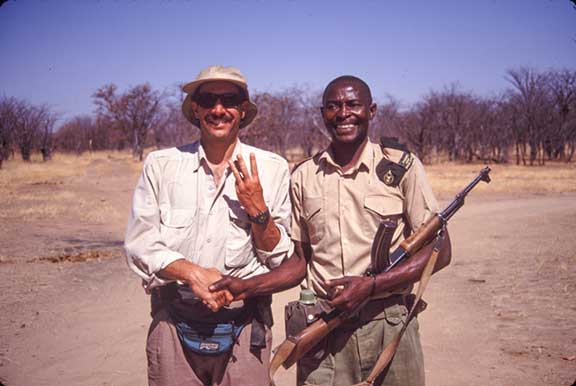
This is a park ranger in Hwange National Park in 1995. He is proud of the fact that we saw evidence of three black Rhino in one day. He is an anti-poaching ranger, and has authority to shoot poachers on sight. He risks his life for a meager wage.
The Black Rhino situation today is worse than in 1995 due to the extreme demand from the Chinese as their middle class increases in prosperity. To add to the problem, the Vietnamese think the horn cures cancer. The huge demand from these two countries fuels the corruption. Poorly paid park rangers and government officials cannot resist the money paid to them when they aid the poachers.
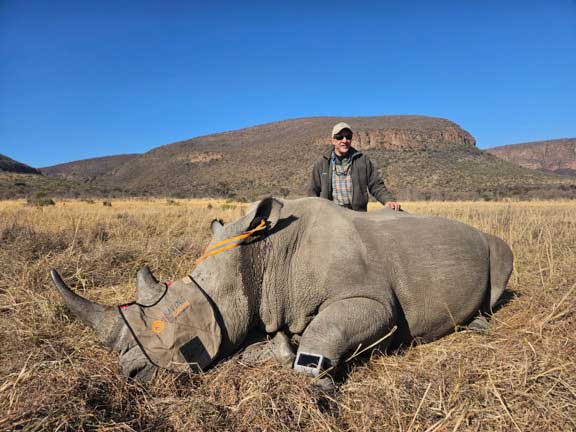
Dr. P went to South Africa in 2021 and 2023 to do anti-poaching conservation work sedating rhinoceros for radio collars
I have been to Borneo twice, both times working with the highly endangered orangutan. They are endangered due to habitat loss. My first trip was in 1991 working with the orangutans at Camp Leakey in Tanjung Puting National Park. The work was basic observation of their behavior and to learn how many were present. Some of the babies were ill and needed exams from Dr. P.
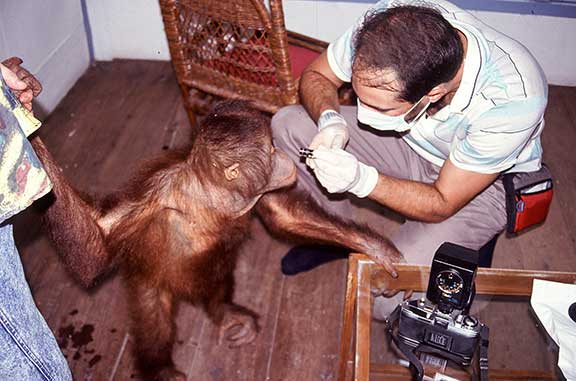
When the inquisitive babies were brought to me the first thing they did was check me out, and the universe was at peace
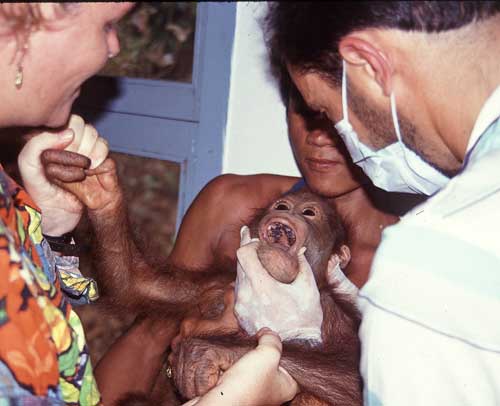
It took 3 of us to hold him still for the exam
The destruction of the rainforest was in full swing back then, decreasing the availability of food. The females with babies were given a supplement of rice and milk on a daily basis by the park rangers to help them survive.
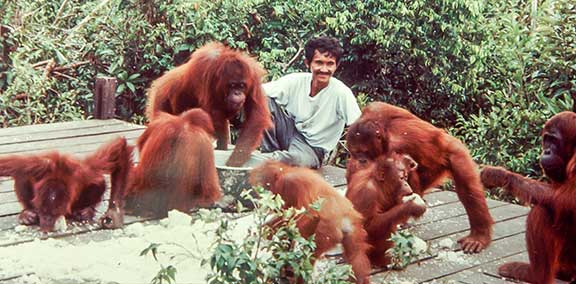
When it came time to eat they would jump on the platform and stuff their faces
Roll ahead to my trip to Borneo in 2012, and the massive destruction of the rainforest is rampant in order to make room for palm oil plantations. The dwindling food supply is now so bad that orangutans of all ages, and not just females with babies, come to the feeding platform for food.
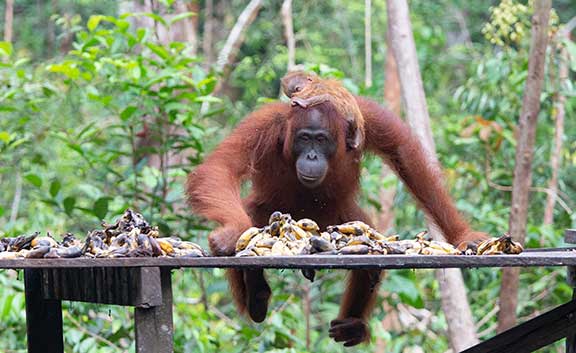
That baby on her head is only a day old
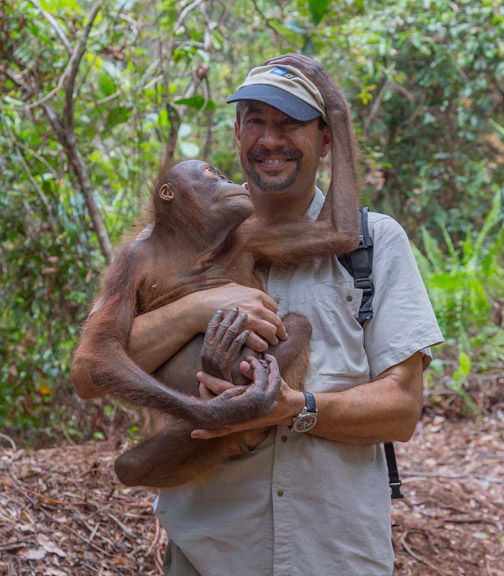
Two monkeys in the same photo!
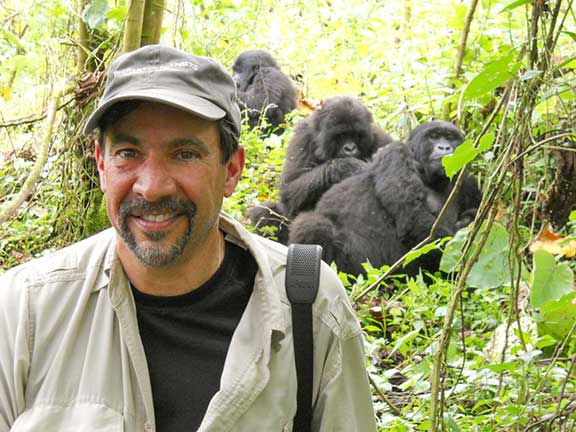
The gorillas are facing a similar situation, and need to be guarded by armed rangers. So far, ecotourism is working for the mountain gorillas.
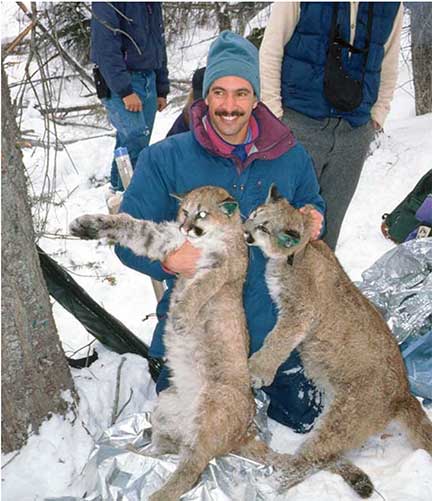
Many of the big cats around the world are suffering the same plight
Human cultures that have been around for long periods of time are also in danger of becoming extinct. One such culture is the Hadza, also known as the Hadzabe. Hadza are the closest living relatives of the humans that first left Africa around 60,000 years ago.
They live in Tanzania, at the base of the Ngorongoro crater. I had the chance to spend two days with them and watch them hunt a monkey with their bows and arrows. I found them fascinating. I loved the fact they are so in tune with their environment, and live a simple, yet stimulating life.
The government of Tanzania wants to modernize their country in all aspects, and sees no future in past cultures like the Hadza. That means this culture is doomed, even thought it is a peaceful one, and is not harming anyone.
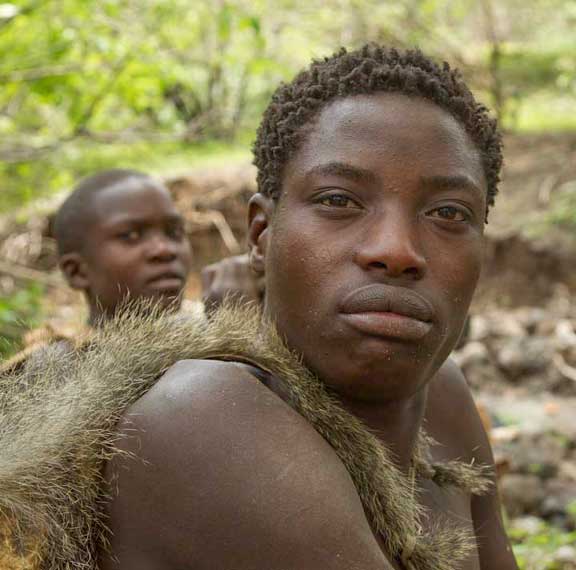
We spent a day together hunting a monkey for their lunch. I would love to know what he is thinking!
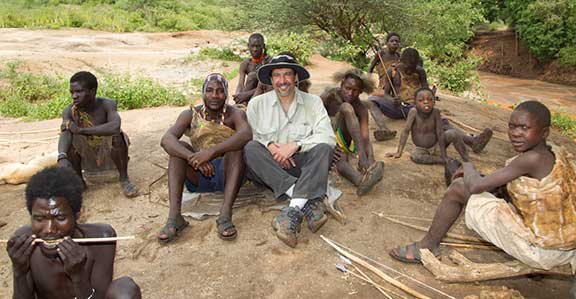
Post hunt photo with my new friends
If you have the urge to experience this natural world like I do, then you need to see it now before it is too late. You are welcome to go with me on one of the many future trips I am planning. You will be glad you did, and during the trip you will wonder why you never did this before.
The pictures you take might be the only way that future generations get to see these people and animals, so let’s take the best ones possible. When they read stories about them the pictures we take will fill in the blanks. The ark is sinking, so let’s do the best we can to document it before it is too late.
Click on the photo below to be taken to links for complete stories and photos on all of the above photos.
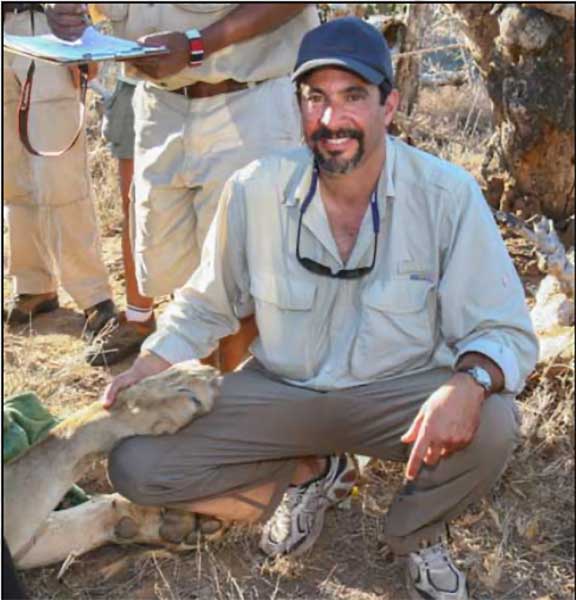
A lion under sedation